EVN Macedonia successfully launched full automation for manual Frequency Restoration Reserve (mFRR) trading in 2025, making a significant step forward in optimizing flexibility management. This upgrade brings improved bidding processes and enables faster, more efficient transactions. At the heart of this transformation is CyberNoc, CyberGrid’s Virtual Power Plant (VPP) solution, which is used to manage and monetize the flexibility of EVN Macedonia’s Matka hydropower plant and many more.
The go-live in the mFRR market enabled the VPP to fully harness the potential of flexibility generators and consumers in Macedonia, thus contributing to the power system stability. Likewise, it created additional revenue streams for customers and balance service providers, making the market more competitive and efficient.
Advancing from manual to automated trading
EVN Macedonia was prequalifiedby MEPSO, the country’s Transmission System Operator (TSO), and actively participating in the mFRR market through manual trading. However, full automation unlocks greater advantages, enhancing operational efficiency and maximizing market opportunities.
Seamless connection with Matka hydropower plant
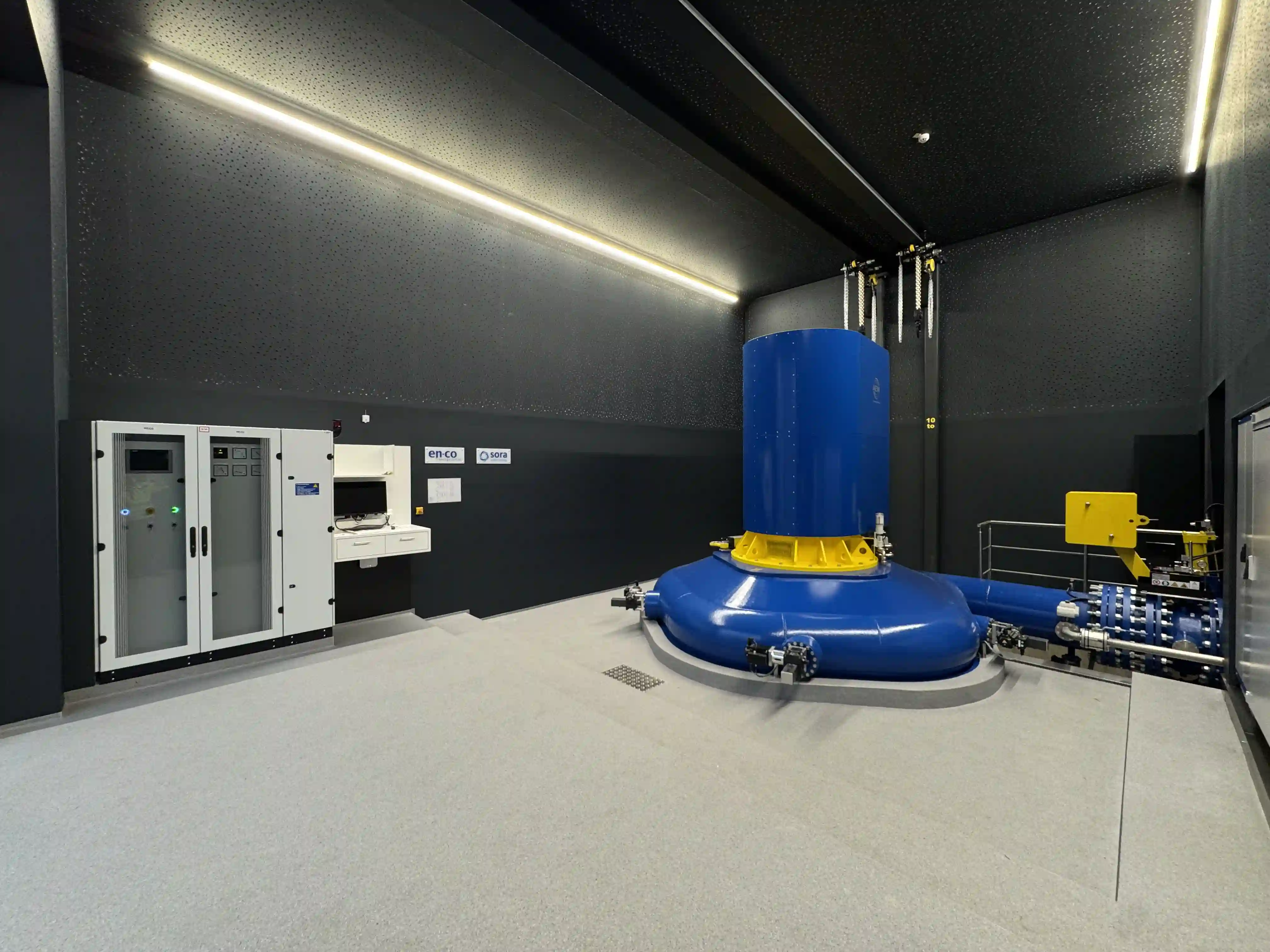
CyberNoc integrates with the Matka hydropower plant through a standardized interface, along with Programmable Logic Controllers (PLCs). This advanced setup ensures seamless communication between the plant and the trading platform, enabling real-time responsiveness to market signals.
Utilizing CyberNoc’s standardised interfaces ensure fast connection of new assets and EVN’s growth on the ancillary service markets. With this innovation, EVN Macedonia is now positioned to optimize its role in short-term electricity markets, unlocking new revenue streams for both the energy supplier and its customers.
The Matka hydropower plant
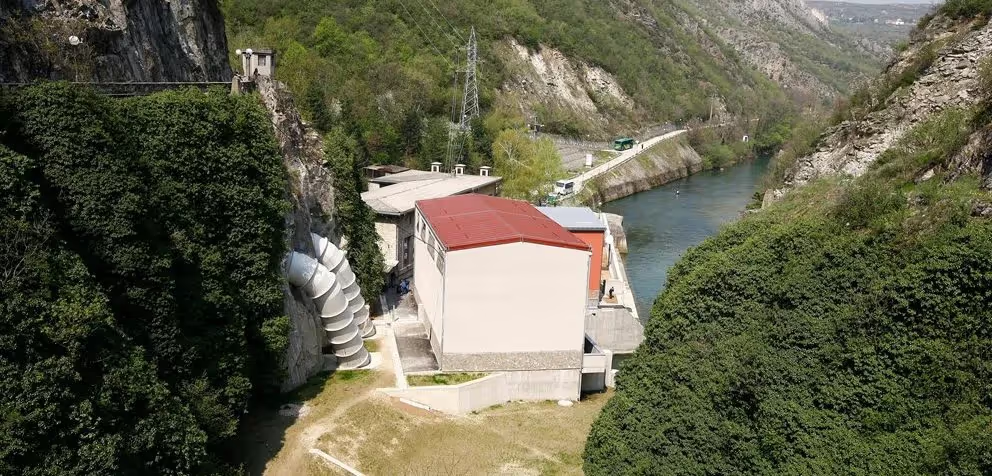
In 2025, EVN MK started automated bidding in the mFRR market using the flexibility of the Matka hydropower plant, a key renewable asset with an installed capacity of 9.6 MW and an average annual production of 30 GWh. In addition to generating electricity, the lake’s water also supports irrigation for surrounding villages.
A historic hydropower landmark
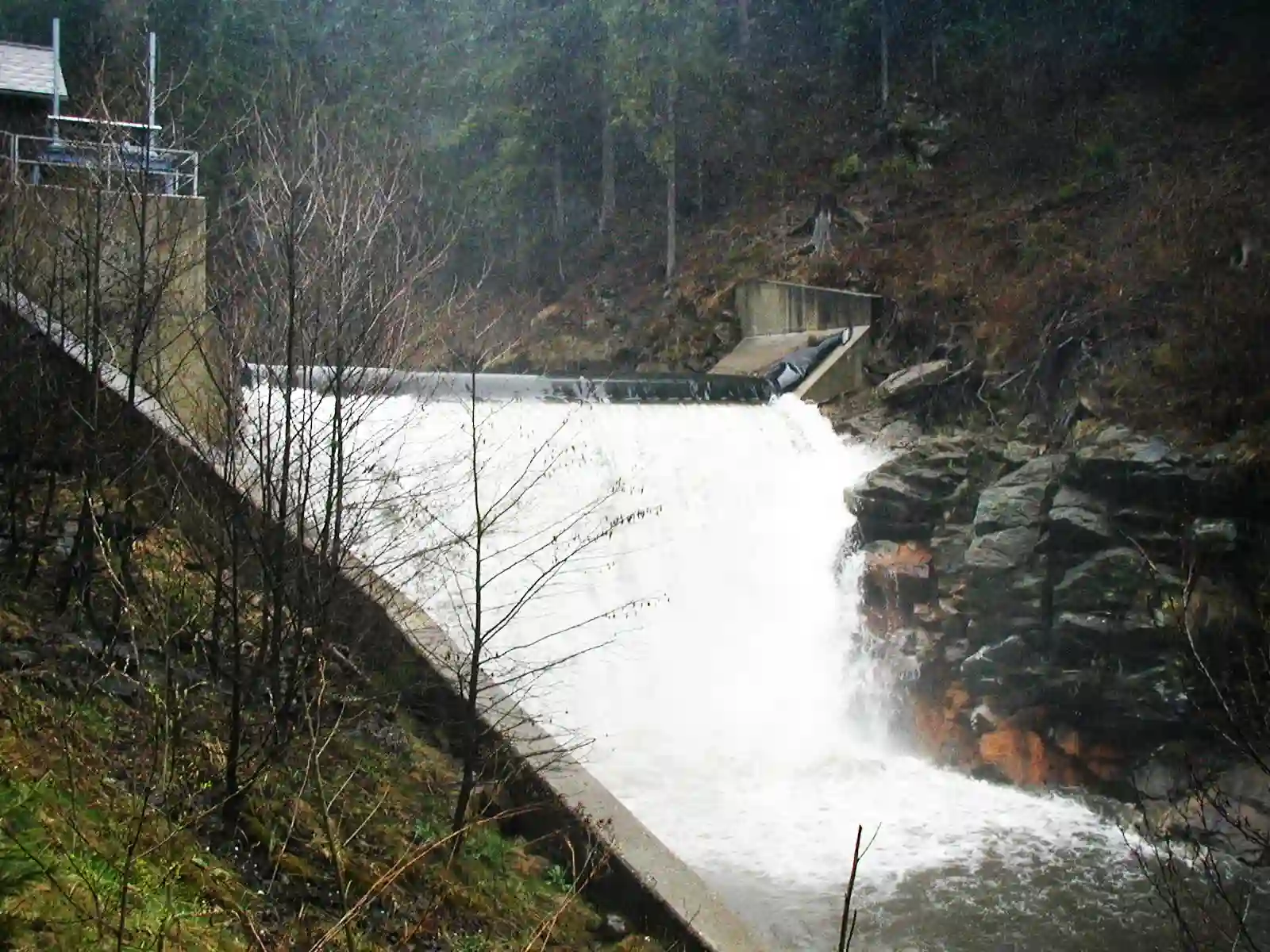
Located on the Treska River, near Matka village, the plant operates with an artificial lake, formed by a concrete dam built specifically for electricity production. Matka is the oldest artificial lake in Macedonia, and its hydropower plant has been operational since 1938, initially with an installed capacity of 4.2MW.
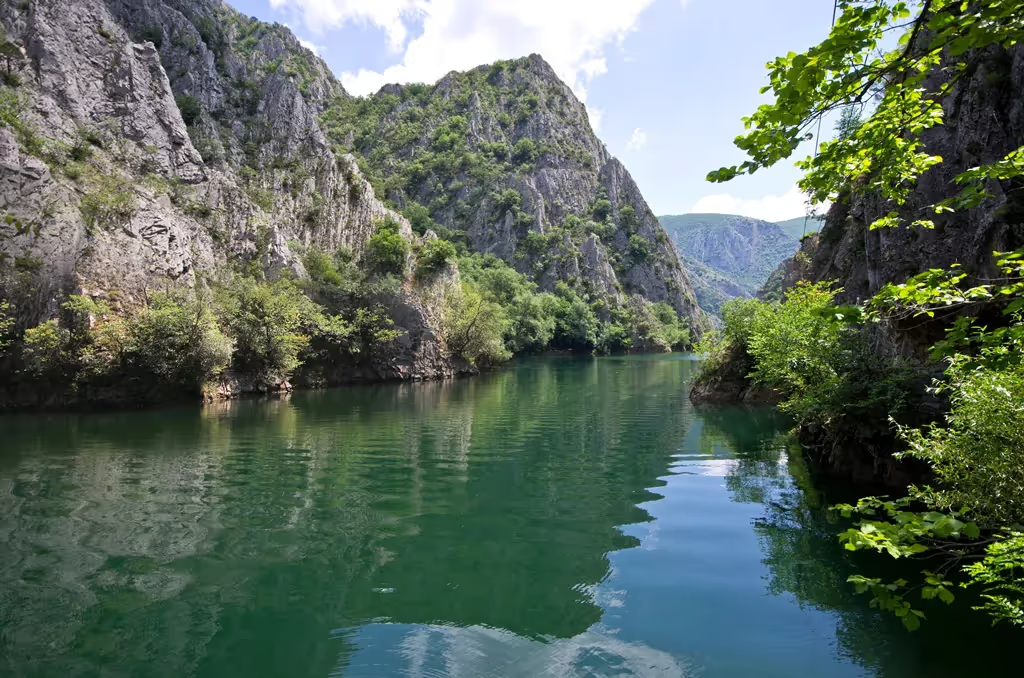
To ensure environmental sustainability, a water treatment plant is situated within the facility's premises, effectively treating wastewater before it is discharged back into the river.
With this latest step toward full automation, the Matka hydropower plant will play an even more significant role in enhancing grid flexibility and optimizing renewable energy resources in the region.