Industrial loads

References

The cooperation with Elektro Ljubljana in Slovenia is a pioneering example on how to participate on demand response programs with the CyberNoc virtual power plant. This cooperation demonstrated the practical applications and benefits of integrating demand response and distributed generation to optimize energy consumption and distribution. With this cooperation, we enabled large-scale energy users to reduce their consumption during peak periods or when the grid was under stress. This not only helped in maintaining grid stability but also offered financial incentives to the participants through reduced energy costs and participation in ancillary services markets.

Monetize flexibility through energy markets
Energy‑intensive industries—steel, cement, paper, chemicals, glass, and more—can get new revenues by trading the energy flexibility of their assets in balancing services and wholesale markets.
- Generate additional revenues from cross-market flexibility trading
- Shift consumption in response to grid requirements
- Respond automatically to market signals
- Reduce imbalance risks
- Contribute to a more sustainable energy system

Energy cost optimization & peak demand reduction
Industrial facilities are among the largets energy consumers in modern power systems. Electricity costs frequently represent a significant share of operational expenses for them.
From manufacturing plants and cold storage facilities to water treatment infrastructure, electrolyzers, compressors, pumps, and process industries, many industrial operations possess untapped flexibility that can generate significant value.
Key benefits:
- Reduce energy costs through intelligent load scheduling
- Minimize peak demand charges
- Improve utilization of existing grid connection capacity
- Increase operational efficiency through data-driven optimization
- Benefit from optimal operating strategies
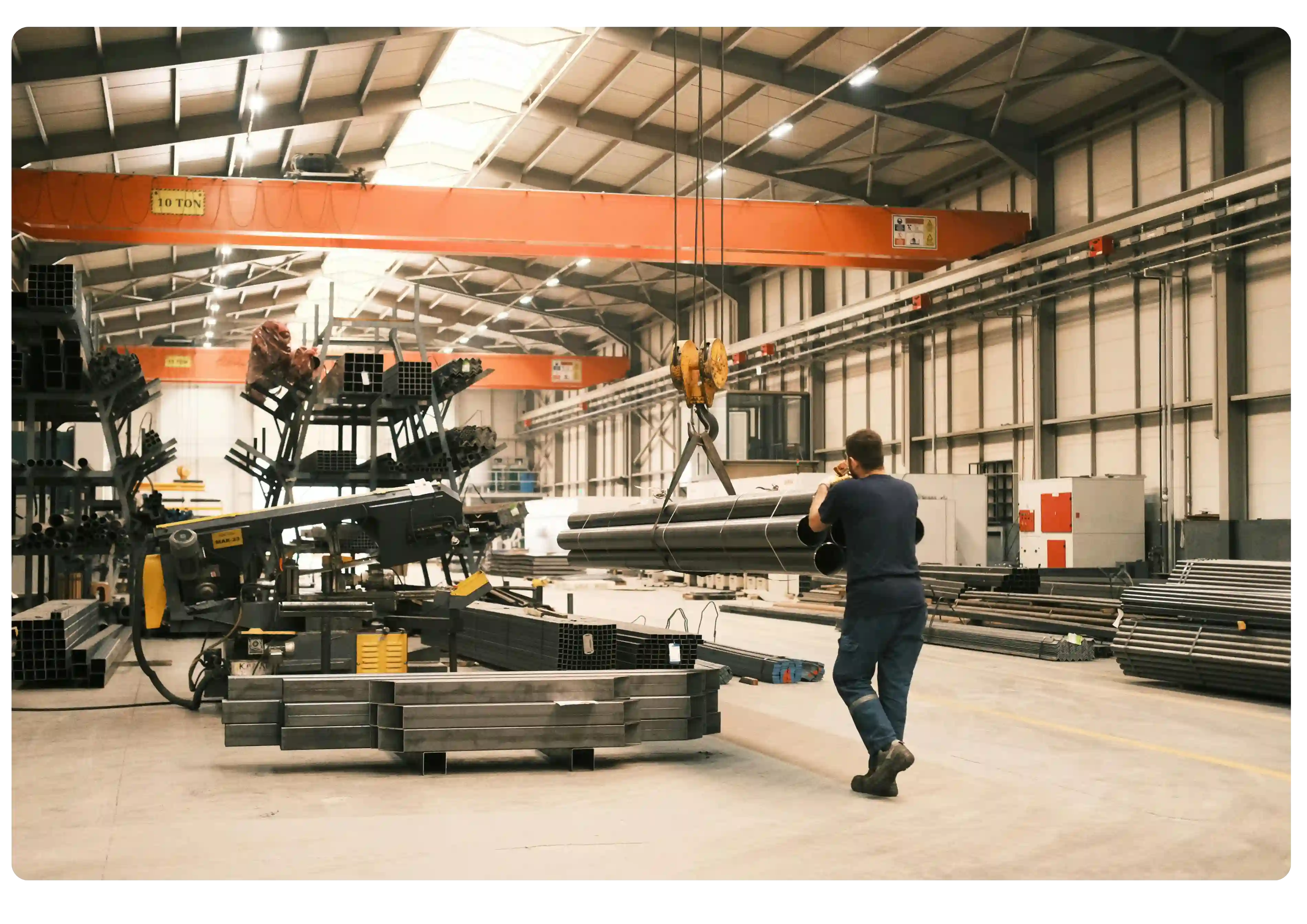
Typical industrial applications
Industrial flexibility can be found across a wide range of processes an technologies:
- Manufacturing and production lines
- Pumps and pumping stations
- Industrial refrigeration and cold storage
- Compressors and compressed air systems
- Water and wastewater treatment plants
- Electrolyzers and hydrogen production
- Mining and raw material processing
- Industrial heating and thermal processes
- Data centers and computing facilities
- Industrial battery storage systems
Frequently asked questions
How does CyberNoc improve their operational efficiency?
What strategies can be adopted to maximize revenues for C&I market players?
Does CyberNoc provide market access, and if so, in which markets?
How does CyberNoc ensure that the performance of demand response assets aligns with optimization strategies?
How does CyberNoc facilitate the integration of assets and scalability?
We connect all types and scales of flexibilities
Our asset agnostic IoT platform excels in managing and monetizing all kinds of assets, including both small- and large-scale flexibilities.


