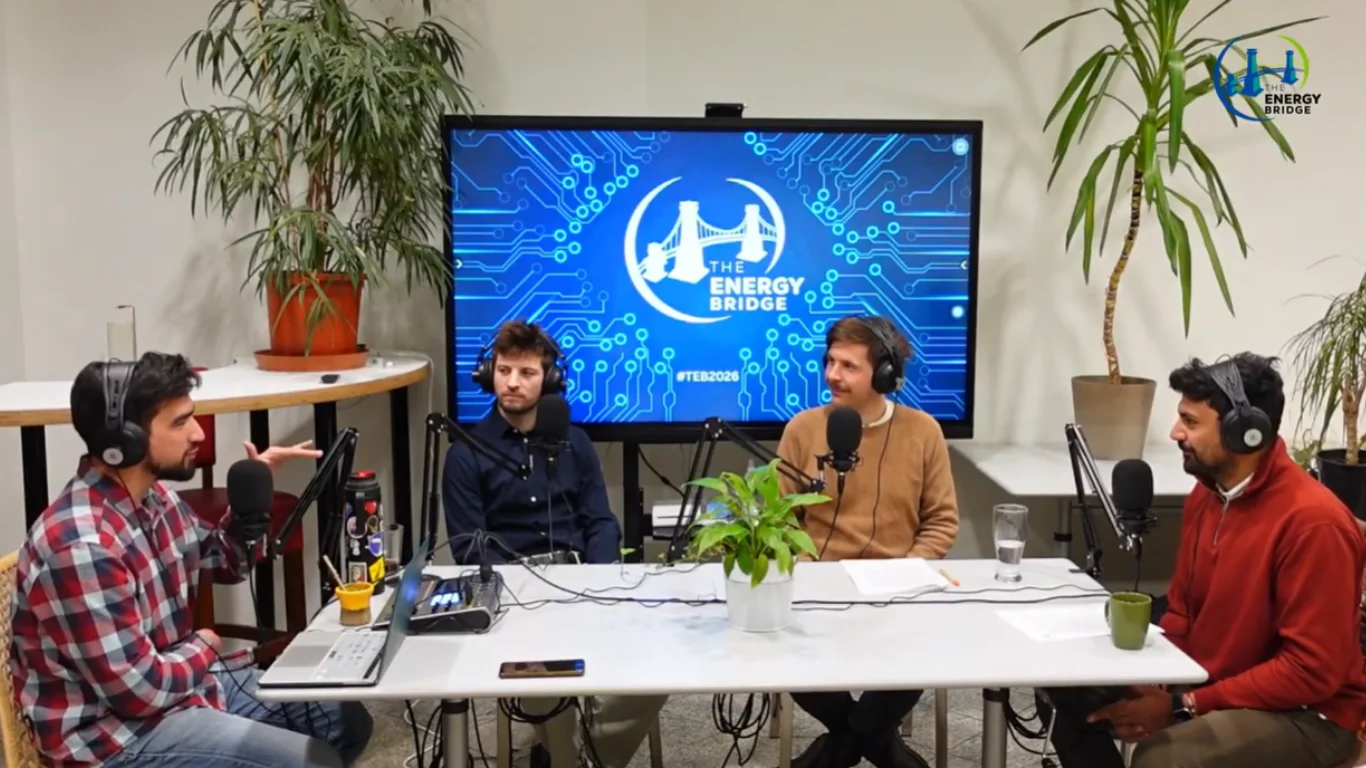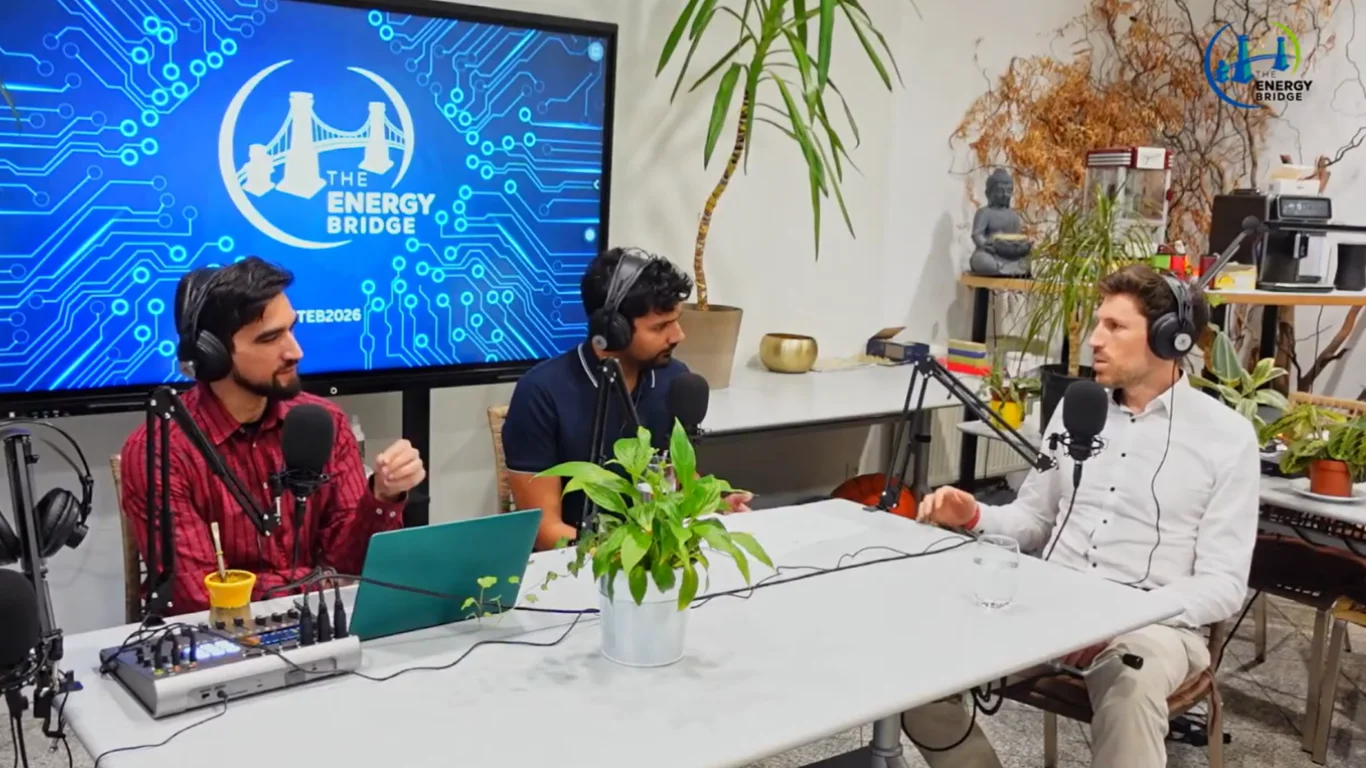
As renewable generation and storage grow, optimizing how we use these assets becomes key to grid flexibility. In a recent Energy Transitions podcast by Enlit Europe, Senior Battery Strategy Expert from CyberGrid Christian Seitl explains how “intelligent optimisation” - combining AI, automation and forecasting - can extract far more value from batteries and renewables than treating each asset in isolation. In practice, this means running a co‑located solar-wind-battery site as a single system, and bidding its combined flexibility into wholesale and reserve markets simultaneously. This results is higher revenues, lower curtailment, and greater system stability.
Listen to the Energy Transitions podcast on Spotify.
Smart energy asset operation can generate additional value and outweigh savings from engineering costs. CyberGrid’s experience shows that coordinating batteries across all available revenue streams (energy trading, frequency control and ancillary services) is essential. Rather than dedicating a battery solely to one function, optimization algorithms in CyberGrid's state of the art flexibility management platform evaluates day-ahead, intraday, FCR and aFRR markets together. Thus, it “turns overlapping services and volatility into profit” - for instance, shifting charge/discharge times to avoid negative prices or capture peak revenues.
Optimising batteries across multiple markets
“By combining real-time forecasts with automated bidding, these assets can react instantly to price spikes or grid needs.” - Christian Seitl
At a technical level, CyberNoc takes bids and price forecasts from several markets and finds the optimal multi-market schedule for each battery. For example, while holding State-of-Charge limits, it might reserve capacity for frequency regulation in the evening, then sell power in the day-ahead market if prices spike. This automated revenue stacking is crucial as renewables drive more negative-price hours on European grids. In Austria and Germany, negative spot prices have surged, making dynamic bidding strategies vital. CyberNoc VPP solution continuously updates its forecasts so batteries respond in real time: combining forecasting and automation helps assets respond faster to volatile prices and changing grid conditions.
Behind the scenes, intelligent asset optimisation relies on machine learning and high-speed control. CyberNoc platform ingests weather and load forecasts, market data, and grid status. It then runs optimization algorithms that generate bidding strategies minutes ahead. As a result, batteries become self-adjusting participants: they charge when prices go negative, discharge when peaks occur, all guided by the algorithm. This level of automation is what makes “intelligent” asset management possible.
Co-located renewables and storage: one system, not separate
A powerful example is a hybrid plant that shares the same network node - the Trumau park in Austria: wind+PV+battery. CyberGrid’s Co-location Flexibility Optimization (CFO) agent treats the site holistically. It weighs renewable generation forecasts, battery cost curve, and grid limits to decide: use excess solar to charge the battery, discharge to the grid, or store for later trading. In this way, the plant’s output is optimized as a whole.
“We can’t treat each market separately - optimising batteries across day-ahead, intraday and balancing markets maximises their value.” - Christian Seitl
The results include reduced curtailment (since the battery soaks up excess PV at noon) and additional balancing services. CyberNoc’s real-time monitoring also ensures the combined facility respects its grid import/export limit and technical constraints.
Looking ahead, the “smart site” will appear nearly autonomous. It will use forecast-driven software to co-optimise every resource on the site. Instead of manual dispatch, grid operators will see a virtual power plant bidding as a whole. This will unlock new revenue streams: for example, a hybrid hydro-battery could provide inertia or congestion relief in future markets. For utilities and asset owners, this means higher return on investment and more resilient grids. Indeed, “the future energy site” will integrate IoT sensors, AI, and cloud-based control into a single optimized system.