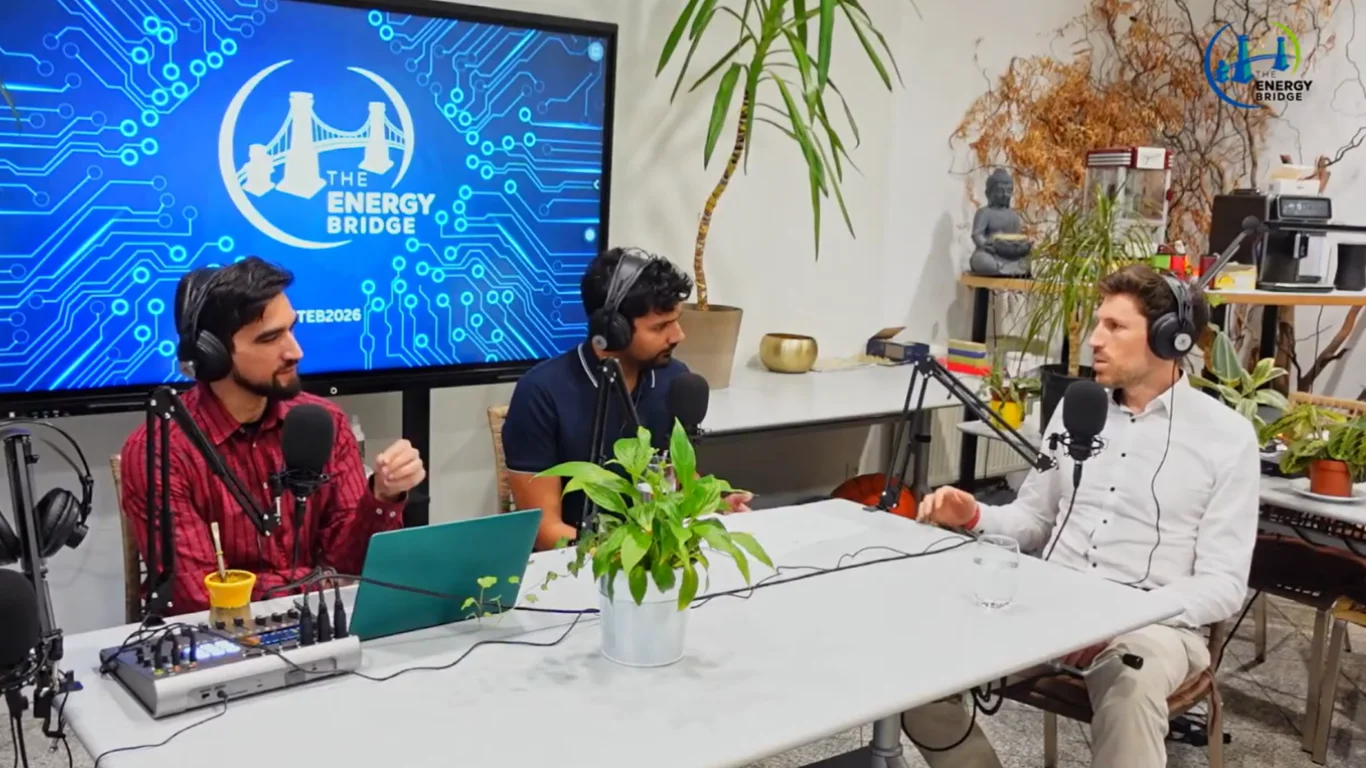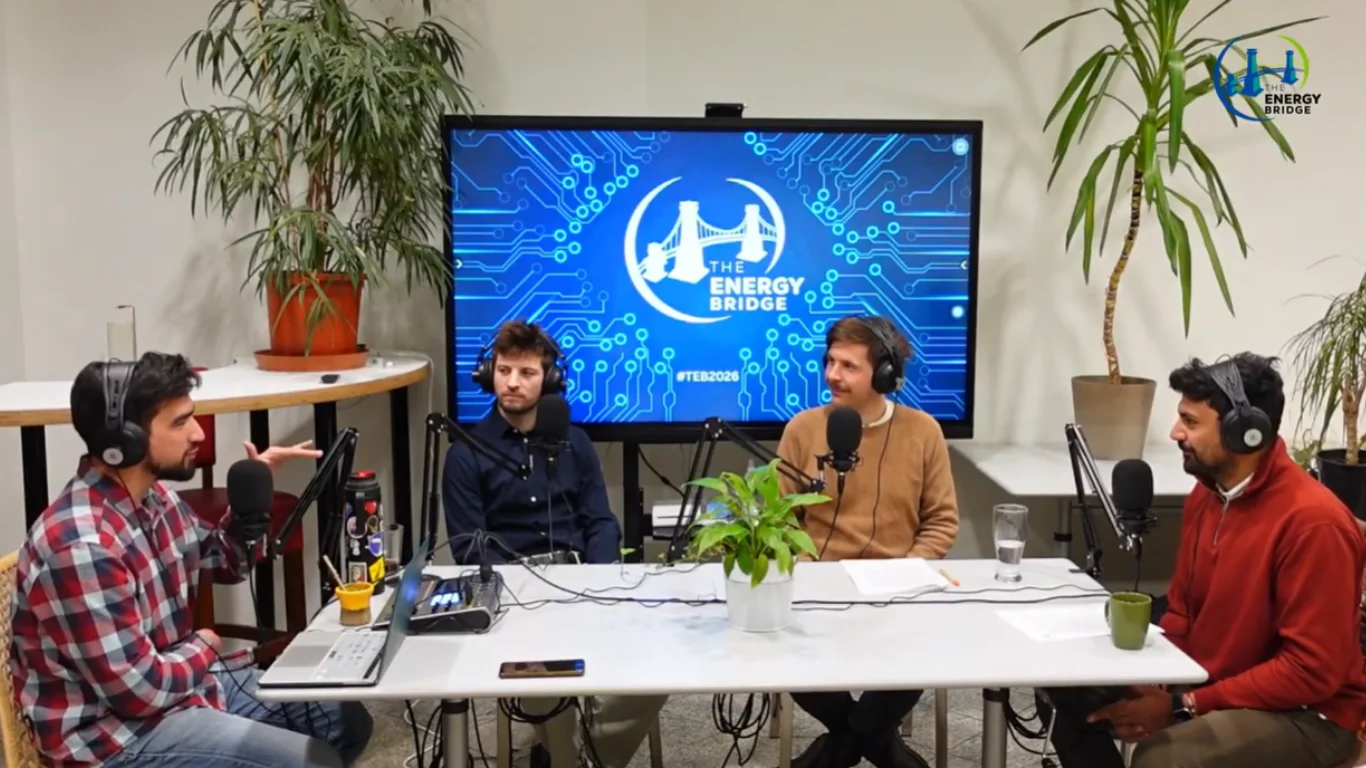
New podcast release with The Energy Bridge, focusing on Battery Energy Storage Systems (BESS), market models, and grid flexibility. This time around, Thomas Rosenzopf, Managing Director at enervis, and Nikolaj Candellari, Market Intelligence Team Lead at CyberGrid, came together to explore one of the most pressing topics in the energy transition: how BESS and digital flexibility solutions are reshaping European power markets.
This episode focuses on Austria and the Central Eastern Europe (CEE) region, offering expert insights into the evolving role of Virtual Power Plants (VPPs), market design, and grid flexibility in an increasingly renewable-driven system.
The podcast covers a range of key topics, including the following ones:
- VPP optimization
- Shift from energy generation to flexibility
- Europe's physical infrastructure
- Lack of smarter digital markets
- Austrian Power Grid & long-term modelling
- Renewable energy volatility and increasing negative price hours
- Battery storage & revenue stacking
- Revenue pools and the risk of balancing market saturation
- AI vs. advanced analytics in VPP
- Bankability and risk
Energy markets are shifting from generation to flexibility
A key takeaway from the discussion is the fundamental shift from energy generation to flexibility-driven value creation. As renewable penetration increases, traditional infrastructure alone is no longer sufficient. The speakers highlight the growing tension between:
- Physical infrastructure ("copper in the ground")
- Digital optimization and market integration ("code in the cloud")
While grid expansion remains critical, smarter digital markets, real-time data, and advanced optimization are becoming equally important to ensure system stability and efficiency.
Virtual power plants, AI, and advanced optimization
VPP optimization is central to unlocking distributed flexibility. The podcast explores whether AI or advanced statistical methods are the real drivers behind performance improvements. The discussion emphasizes:
- The importance of high-quality data and forecasting
- The role of robust analytics and trading strategies
- The need for real-time responsiveness across multiple markets
This highlights a broader industry trend: value is created not just through assets, but through how intelligently they are operated.
The BESS business case in Austria
Battery storage remains a cornerstone of flexibility. In Austria, BESS projects increasingly rely on revenue stacking strategies to achieve profitability.
Key revenue streams include:
- Frequency Containment Reserve (FCR)
- Automatic Frequency Restoration Reserve (aFRR)
- Intraday and balancing markets
However, Rosenzopf and Candellari caution that balancing market saturation is an emerging risk, making diversification and optimization essential for long-term bankability.
Negative electricity prices: a growing challenge
The rise of renewables is driving a sharp increase in negative electricity price hours, particularly in Central Europe.
As highlighted in the podcast:
- Austria recorded around 400 negative price hours
- Germany saw approximately 600 hours
According to Thomas Rosenzopf, this trend is expected to peak in the late 2020s or early 2030s, before stabilizing as demand-side flexibility and storage scale up.
A notable insight is the variation across European markets:
- Germany experiences frequent negative pricing due to high renewable penetration
- Italy, by contrast, has virtually no negative prices, largely due to different regulatory frameworks and incentive schemes
This underlines a critical point for investors and operators: market design matters as much as technology.
Infrastructure vs. market design: unlocking flexibility in CEE
For the CEE region, the discussion goes beyond technology. A recurring theme is that grid flexibility is not only a hardware problem.
Instead, unlocking flexibility requires:
- Better coordination between market participants.
- Increased data transparency
- More efficient and accessible market structures
Why this matters now
As Europe accelerates its energy transition, the combination of battery storage, digital platforms, and market innovation will define the next phase of the power system.
This podcast episode provides valuable, real-world perspectives for:
- Utilities and asset owners
- Energy traders and aggregators
- Investors evaluating BESS opportunities
- Policymakers shaping future market frameworks