The Österreichische Bundesforste partnered with CyberGrid to commercialize the flexibility of their renewable assets. By connecting hydropower plants to the CyberNoc virtual power‑plant platform, CyberGrid aggregates the flexibility of these assets and enables the participation in balancing markets (mFRR and aFRR). The partnership enables ÖBf to participate in multiple energy markets and to monetize available flexibility.
Renewable energy portfolio of Österreichische Bundesforste
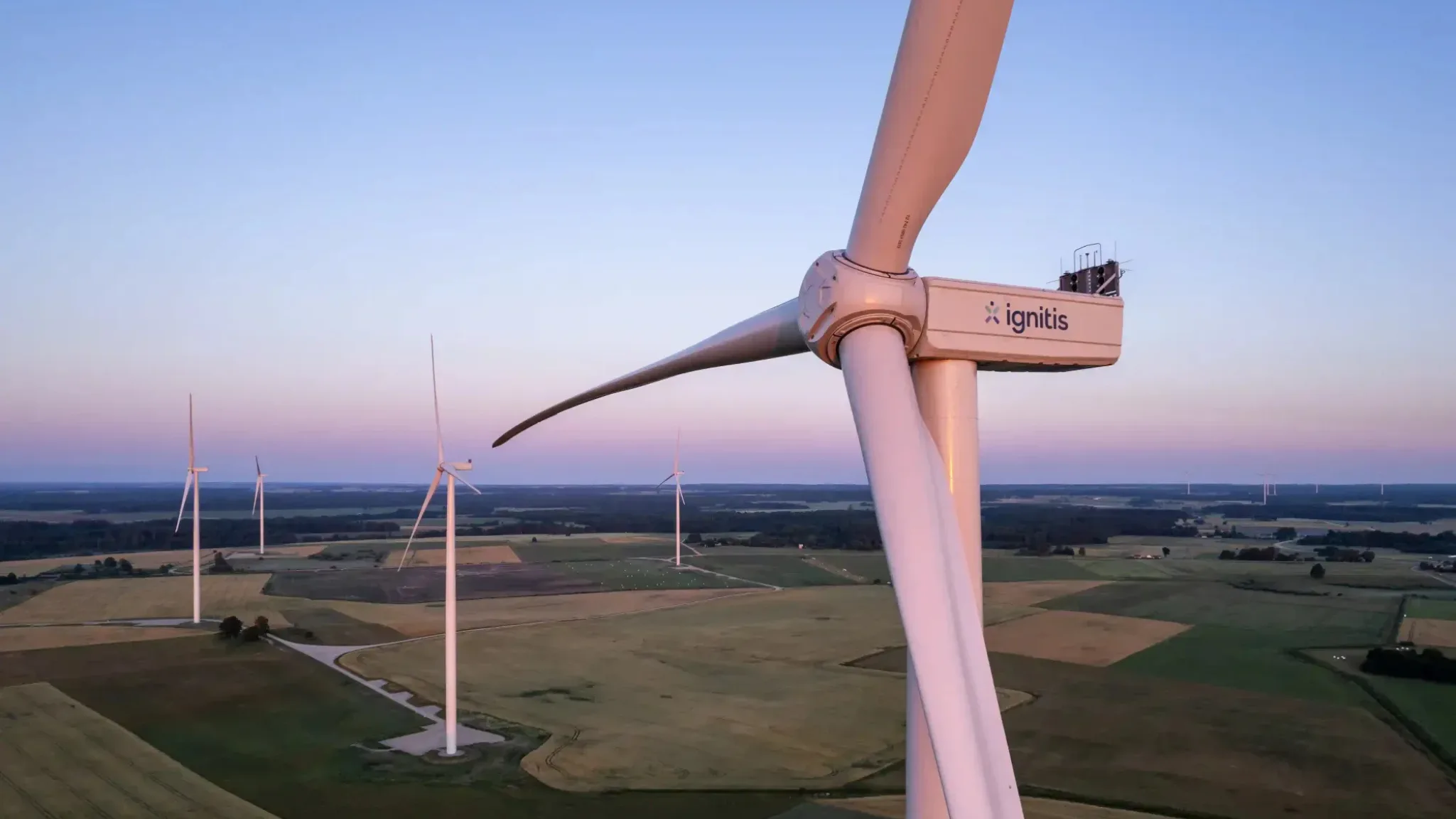
ÖBf’s renewable energy portfolio in 2023 comprised nine small hydropower plants, two wind farms and one biomass power plant. Together they generated 305 GWh of renewable electricity, covering ~87 000 households.
Kleinwasserkraftwerk Hallstatt
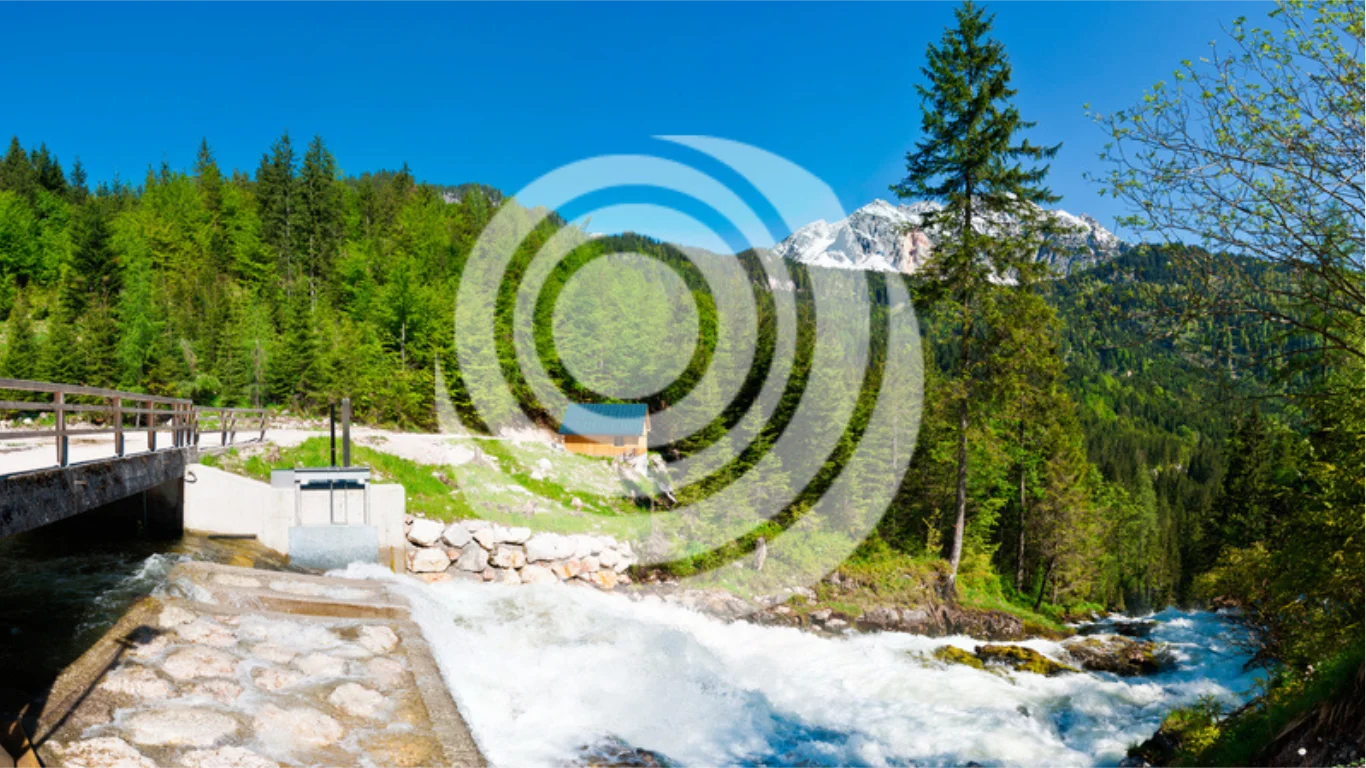
In the UNESCO World Heritage town of Hallstatt, ÖBf’s KW Hallstatt demonstrates how modern engineering can coexist with centuries‑old cultural landscapes. Commissioned in 2013, this run‑of‑river plant taps the Waldbach stream and produces around 22 000 MWh of electricity annually - enough to supply roughly 6 300 households.
Kleinwasserkraftwerk Langer Grund
Located in the remote Langer‑Grund valley near Hopfgarten, KW Langer Grund was built. The project, which entered operation in 2018, channels water down a 126‑m drop through a six‑jet Pelton turbine. It generates about 12.2 GWh of electricity each year, enough to power some 3 500 homes.
Kleinwasserkraftwerk Forstaubach
At the border of Salzburg and Styria, the Kleinwasserkraftwerk Forstaubach started operation in 2015. This cross‑provincial project straddles the municipalities of Forstau and Schladming, near the hamlet of Gleiming. The plant produces about 6.5 GWh per year - sufficient for roughly 1 900 households (while saving some 5 500 tonnes of CO₂ annually).
Kleinwasserkraftwerk Kainischtraun
The KW Kainischtraun near Bad Mitterndorf in Styria takes a novel approach to handling the highly variable discharge of the Kainischtraun river. Commissioned in 2012, it employs three turbines (two horizontal Francis and one five‑jet Pelton) that can be operated in different combinations to optimize efficiency. The plant delivers 12.5 GWh of electricity each year, enough for approximately 3 600 households.
Cooperation with CyberGrid
CyberGrid’s virtual power plant platform aggregates flexibility across ÖBf’s diverse renewable assets. Through cooperation, ÖBf benefits from:
- efficient usage and monetization of unused energy flexibility,
- access to multiple energy markets through trading strategies enabled by CyberNoc,
- real-time monitoring and forecasting with CyberNoc VPP to help ensure compliance with ecological regulations while maximizing revenue.
'Only predictable and controllable generation assets will be valuable in a future energy system. CyberGrid helps us unlock that value.' - Gerhard Breitenbaumer, Deputy Head of the Renewable Energy Division, ÖBf AG.
FAQs
Q: What led you to choose CyberGrid for this project?
A: CyberGrid offered a convincing combination of energy market expertise, practical flexibility marketing and a constructive, solution-oriented partnership approach. This made CyberGrid a suitable partner for turning controllable renewable generation into value for the energy system.
Q: Could you provide us with information about your BESS project?
A: We are currently focusing on assessing suitable locations for future BESS projects and evaluating opportunities for integration within our existing renewable generation portfolio. Our objective is to further enhance system flexibility and support the efficient integration of renewable energy into the electricity market.
Q: What advantages do you anticipate from co-locating BESS with your hydropower plant?
A: The combination of hydropower and BESS can make renewable generation more responsive to market and grid needs. From an ecological perspective, this supports the efficient use of existing renewable infrastructure and can reduce reliance on fossil-based flexibility.
Q: What potential benefits do you expect from participating in balancing markets?
A: Balancing markets reward flexibility, and flexibility is becoming increasingly important in a power system with a growing share of renewables. By participating, renewable assets can help balance supply and demand while supporting a more resilient and sustainable energy market.
Q: How do you evaluate the success of this project in terms of grid flexibility, energy efficiency, and financial performance?
A: We evaluate success through a balanced view of technical performance, energy market value and environmental contribution. If the project improves flexibility, supports efficient renewable generation and delivers a sound economic result, it can be considered successful.
.webp)
About Österreichische Bundesforste
The Österreichische Bundesforste (ÖBf) manages roughly 15 % of Austria’s forests and large areas of lakes and alpine land. In recent years the state-owned company has diversified its business beyond traditional forestry into renewable energy. ÖBf’s strategy emphasizes ecological integrity and climate resilience, adopting the principle that one should not take more from nature than can grow back. Its business segments now include hydropower, wind energy and biomass. In 2023 the ÖBf produced 305 GWh of green electricity, enough to supply about 87 000 households. ÖBf announced plans to invest more than €200 million in wind and hydropower by 2030.
.webp)