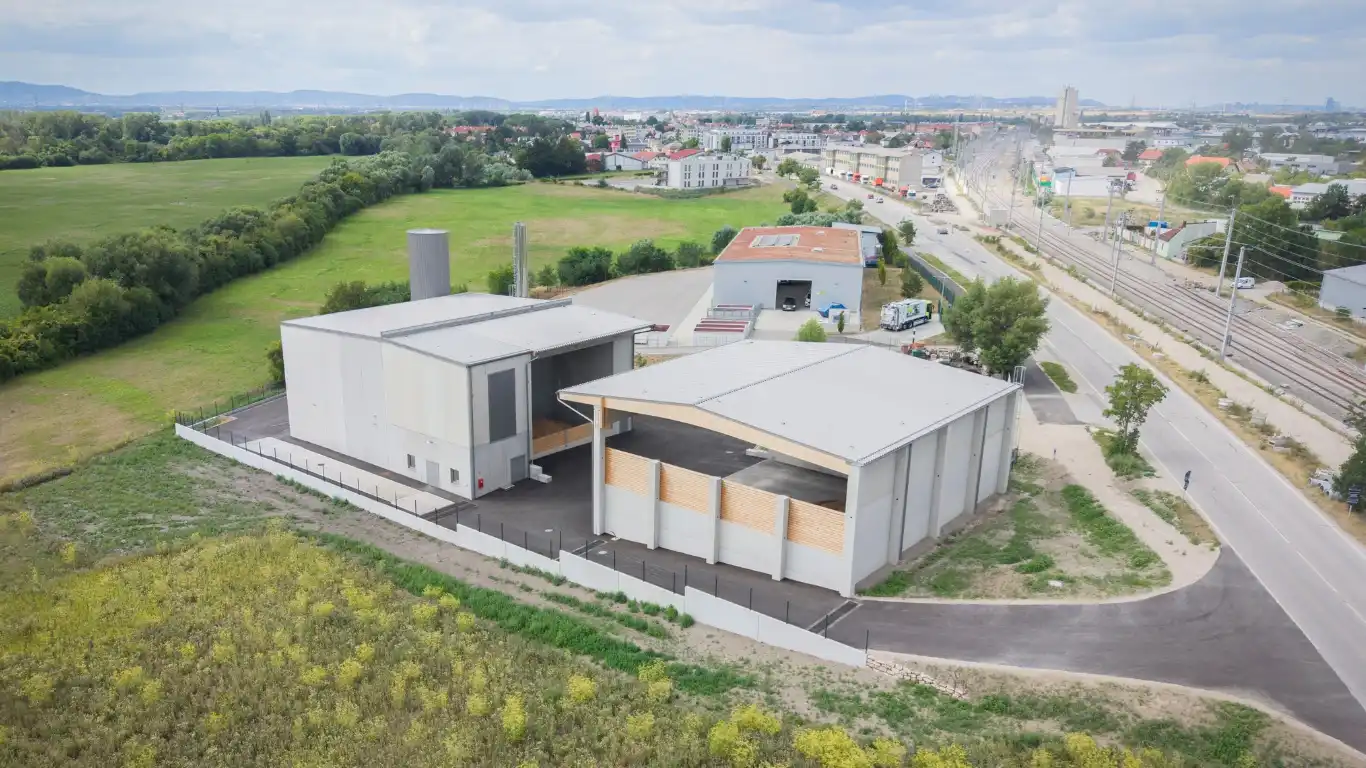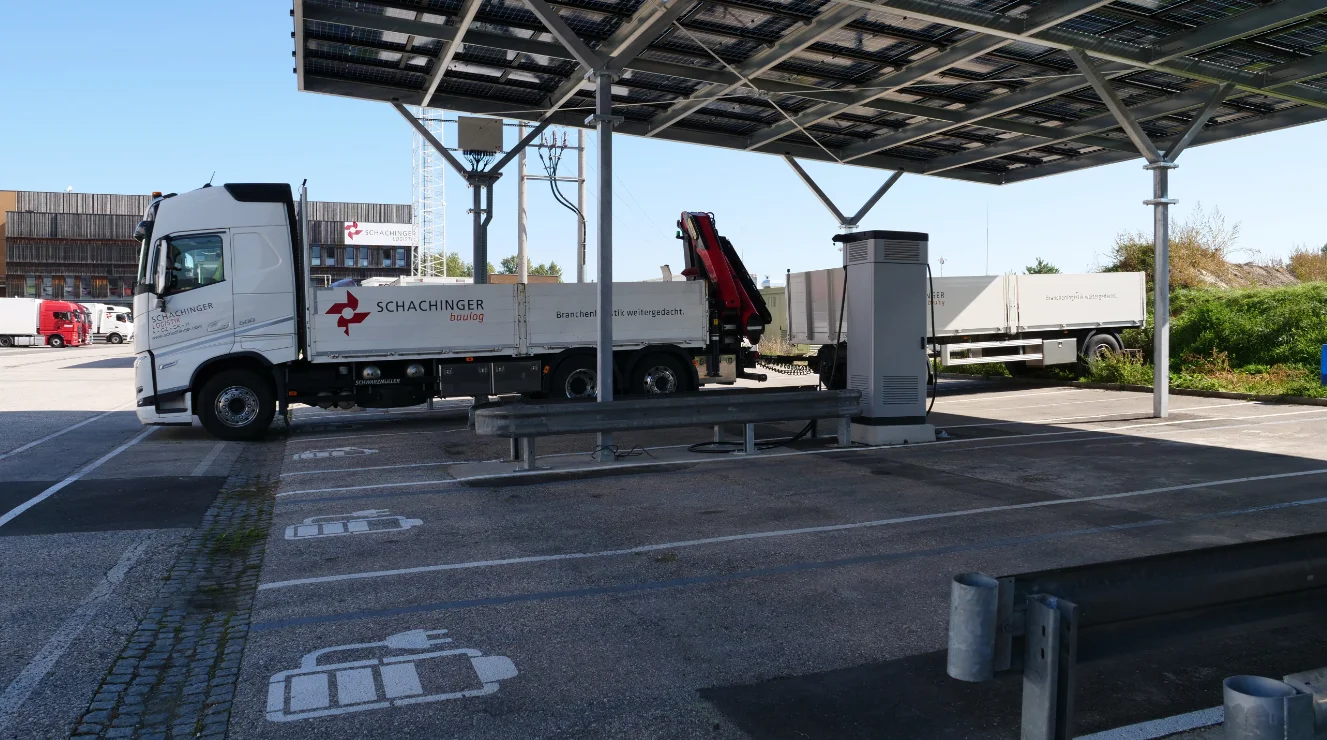
Schachinger is electrifying its truck fleet and transforming the logistics park into an e-mobility hub with forty fast-charging stations, a 7 MW photovoltaic (PV) installation, carport and truckport PV systems, a ground-mounted solar plant, rooftop solar systems, and battery energy storage systems (BESS). These assets are working together as an integrated energy ecosystem, capable of supporting large-scale fleet electrification while maximizing the value of renewable energy generation.
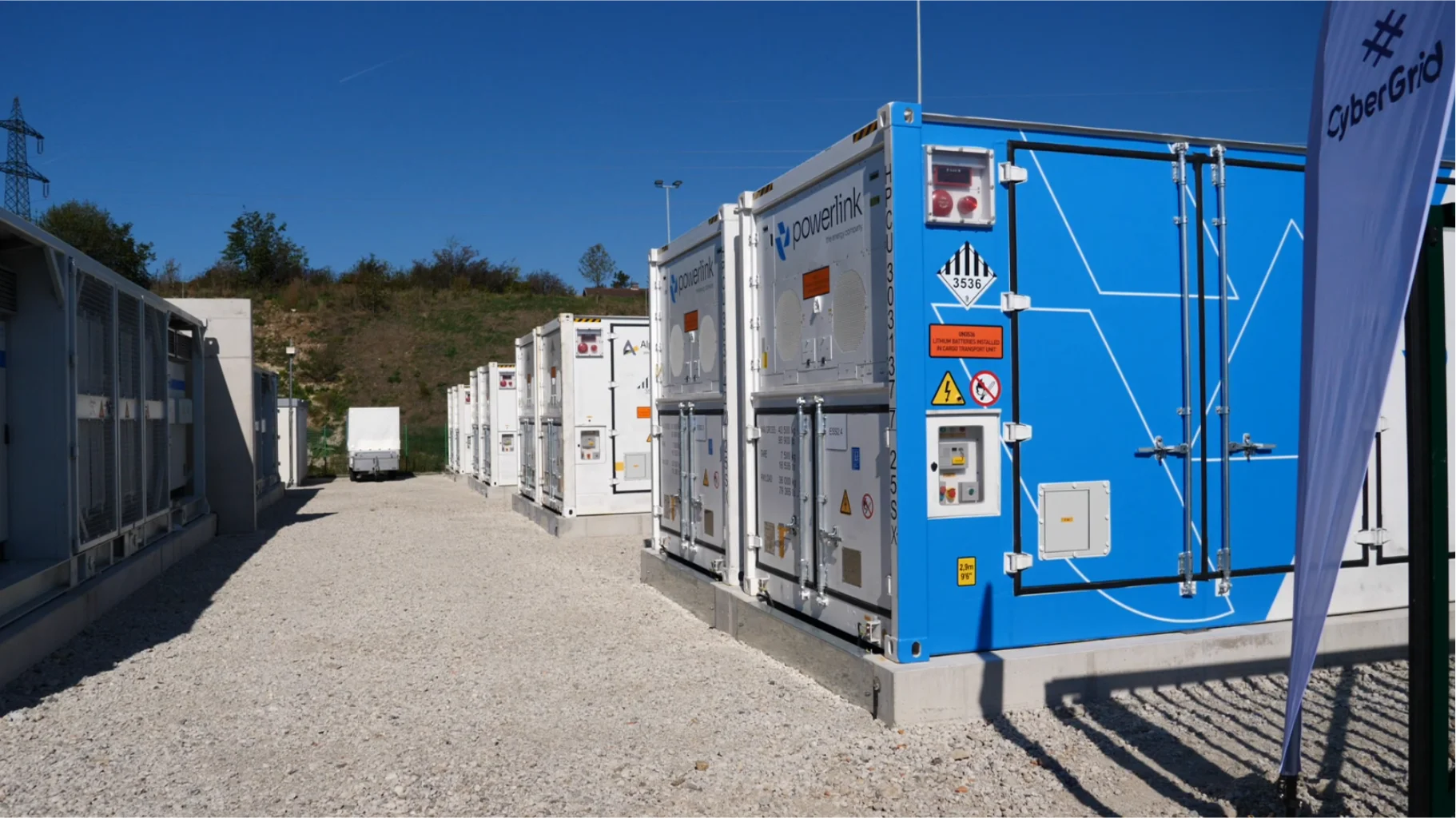
A key component of this transformation is Powerlink's co-located battery project. The installation comprises a 7.5 MW / 20 MWh lithium iron phosphate (LFP) BESS supplied by AlphaESS, located directly at Schachinger's logistics park in Hörsching, Upper Austria. The battery commissioning is expected by mid-October 2026, with final project completion scheduled by mid-November 2026. The flexibility of the combined system will be optimized and marketed in both balancing services and wholesale electricity markets.
How does a battery energy storage system create value in a logistics center?
The integration of battery systems at logistic sites is transforming the economics of energy consumption and fleet electrification. As Lukas Skarabela, Energy and Mobility Manager at Schachinger, explains: “A battery energy storage system offers many benefits for a logistics company. On the one hand, it enables peak shaving, helping to reduce grid-related costs. On the other hand, it allows us to use much more of the electricity generated by our own photovoltaic system. This increases our energy independence and makes us less reliant on electricity suppliers and grid operators.”
“The plan is simple: to store the solar power generated during the day for use at night, perform load shifting, and use the remaining available capacity to participate in the wholesale electricity market and ancillary services markets, thereby generating additional revenue.” - Sebastian Wöhrnschiml, Project Manager at Powerlink.
The project goes beyond energy costs savings, optimizing local energy consumption, and enabling self-sufficiency; the participation in energy markets creates an additional business model and generates new revenue streams. It highlights the growing importance of revenue stacking for battery energy storage systems. Rather than serving a single use case, the BESS delivers value through multiple applications:
- Peak shaving and demand charge reduction
- Increased PV self-consumption
- Load shifting and energy optimization
- Support for electric truck charging
- Participation in balancing and wholesale electricity markets
By monetizing flexibility, the project creates a sustainable business case that improves the long-term profitability of both the energy infrastructure and the logistics operation.
From diesel trucks to fully electric trucks
Schachinger is pursuing the goal of fully electrifying its truck fleet by the end of 2030. This transformation is part of the company's climate strategy, “Roadmap to ZERO.” As Lukas Skarabela, Energy and Mobility Manager at Schachinger, remarks: “We know that electrification is the only way to achieve climate neutrality.” Looking ahead, emerging technologies such as Vehicle-to-Grid (V2G) could further increase the flexibility and value of the overall system.