Renewable energy assets can generate more value when they operate as one coordinated co-located system. At EVN Naturkraft’s hybrid park in Trumau and Tattendorf, CyberGrid’s flexibility management platform CyberNoc, connects wind power, solar PV and battery storage. The result is an intelligent, automated energy system designed to reduce renewable curtailment, use existing grid capacity more efficiently, support grid stability and unlock additional revenue streams.
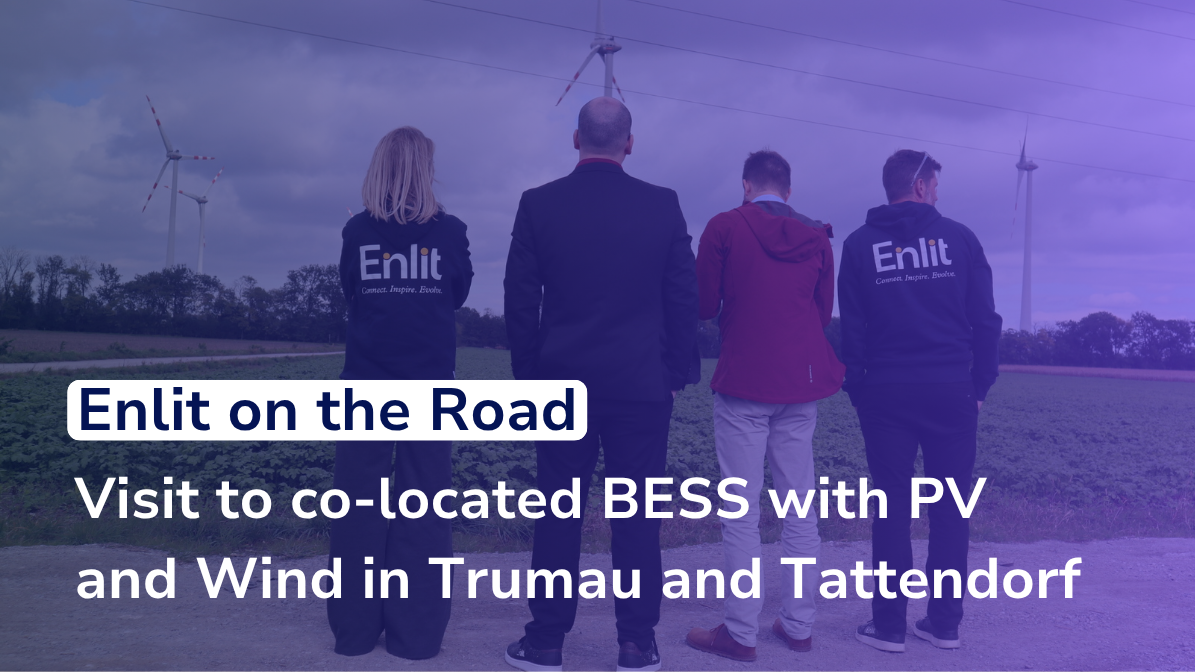
As part of Enlit on the Road, a podcast created to spotlight energy innovation across Europe, the Enlit team travelled to Trumau and Tattendorf to explore how CyberGrid and EVN are redefining what co-located renewable assets can achieve. Intelligent flexibility is the automated coordination of energy generation, storage and market participation. It uses forecasts, real-time measurements and optimisation algorithms to determine when assets should generate, store, charge, discharge or provide balancing services.
Why renewable generation alone is no longer enough?
Wind and solar generation depend on weather conditions rather than electricity demand. When renewable production is high but consumption is low, wholesale electricity prices can fall significantly or even become negative. During these periods, renewable power plants may have to reduce their output. This process, known as curtailment, means that technically available clean electricity is not produced or delivered to the grid. This challenge was one of the main reasons behind the Trumau and Tattendorf project. EVN observed that its photovoltaic and wind assets had to be curtailed for many hours because of negative electricity prices. Adding battery storage created an opportunity to retain more renewable electricity instead of immediately reducing generation. However, avoiding curtailment alone was not sufficient to establish a compelling battery storage business case. To improve the economics of the project, the battery also needed access to balancing services, wholesale trading and additional flexibility markets.
What makes the Trumau hybrid park unique?
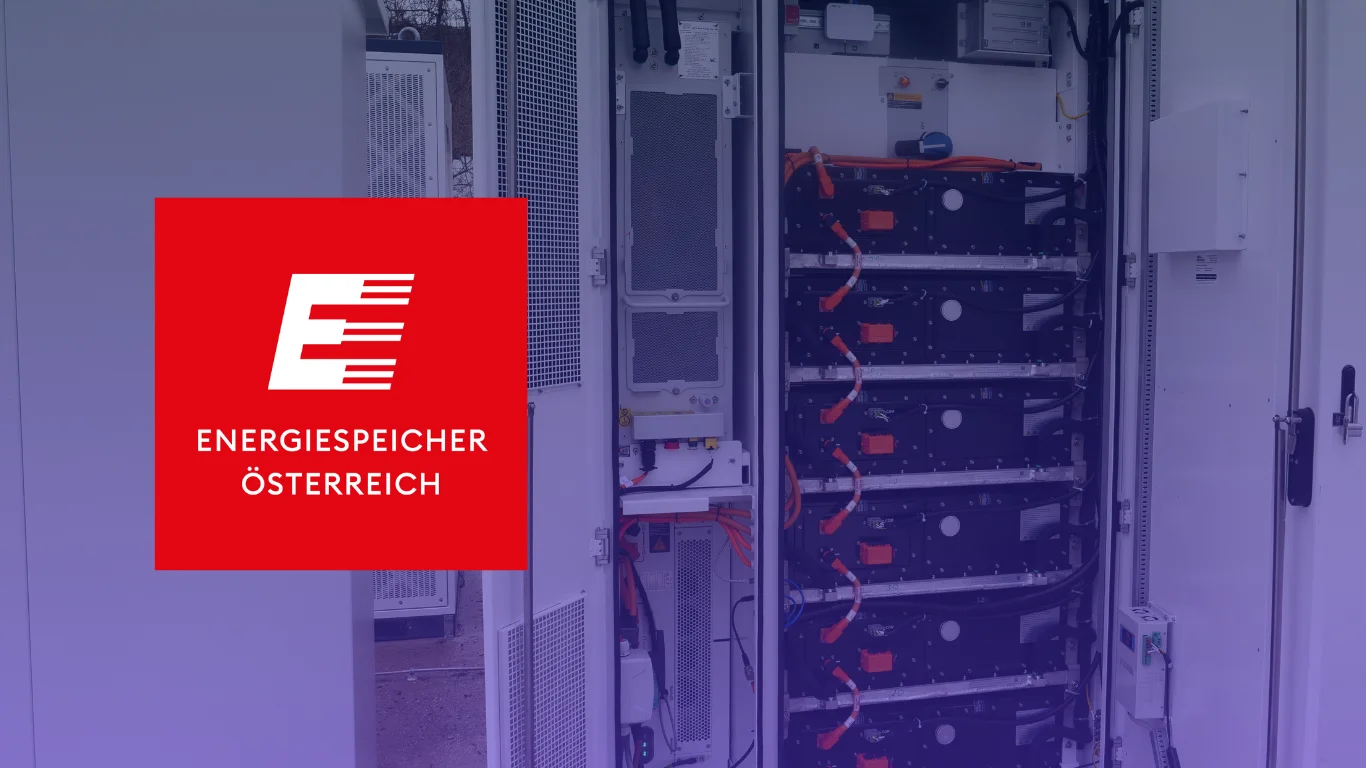
The hybrid system brings together three energy assets: the 16 MW Tattendorf wind farm, the 10 MW Trumau photovoltaic plant and a 3.4 MW / 6.8 MWh Battery Energy Storage System. While the wind and solar plants generate renewable electricity, the battery provides storage capacity, balancing services and market optimisation, enabling the assets to operate as one coordinated and flexible energy system.
The Tattendorf wind farm includes eight wind turbines, while the Trumau PV plant provides solar electricity for approximately 3,000 households. Together, the renewable plants supply green electricity equivalent to the demand of around 13,000 households. The wind and solar assets share grid infrastructure, allowing EVN to use the available connection capacity more efficiently. The battery adds another layer of flexibility by absorbing surplus electricity, releasing stored energy when required and responding to market and grid signals.
The BESS has been fully operational since 2025. Its integration transformed the site into what EVN describes as a “super-hybrid park” - a system in which renewable generation, storage and digital optimisation work together rather than being operated independently.
From a storage asset to a multi-market flexibility resource
A battery can create value in several ways. It can store excess renewable electricity, shift energy between lower- and higher-priced periods and provide rapid responses when the power grid requires support. At Trumau, the objective is not to select only one of these applications. CyberNoc enables the battery and renewable assets to participate across several markets according to the most valuable available opportunity. These include:
- Frequency Containment Reserve (FCR),
- Automatic Frequency Restoration Reserve (aFRR),
- Manual Frequency Restoration Reserve (mFRR),
- day-ahead electricity trading,
- intraday electricity trading,
- short-term balancing energy bids.
FCR, aFRR and mFRR help maintain the balance between electricity generation and consumption at different response speeds. In Austria, these reserve products are procured through balancing markets and help APG maintain the stability of the control area. Participation across several markets is commonly described as multi-market optimisation or revenue stacking. Instead of reserving the battery permanently for one application, the optimisation process evaluates the available markets, expected prices, asset constraints and system conditions before determining the most suitable operating strategy. This diversified approach can strengthen the battery storage business case by creating several potential revenue streams while also supporting the integration of renewable generation.
How does CyberNoc optimizes the battery?
The optimisation process begins before electricity is physically delivered. CyberNoc combines several feature, including:
- forecast electricity prices across relevant markets,
- forecast wind and solar generation,
- current and expected battery state of charge,
- real-time measurements from the energy assets,
- available grid connection capacity,
- technical restrictions and operating parameters,
- existing market commitments and accepted bids.
Based on these inputs, the platform prepares market bids and operating schedules for the following day. As forecasts, prices and asset conditions change, the strategy can be updated through the intraday and balancing markets. During physical operation, real-time measurements are compared with forecasts and market commitments. The optimisation then determines whether the battery should charge, discharge, retain capacity for balancing services or wait for a potentially more valuable opportunity. For example, the system may decide not to charge immediately from renewable generation if keeping battery capacity available for a balancing service is expected to create more value. Alternatively, it may absorb surplus generation when renewable output is high and market conditions make storage preferable to direct feed-in. This process operates continuously, including during nights and weekends. CyberNoc provides automated monitoring, optimisation, control and cross-market flexibility trading rather than relying on operators to make every dispatch decision manually.
Low or zero wholesale electricity prices do not necessarily eliminate the value of a battery. During a short period of extremely low spot prices, wholesale arbitrage opportunities may be limited. However, the battery may still earn revenues by providing balancing services. This also enables the operator to continue making productive use of a valuable grid connection even when direct renewable feed-in is less attractive. Over longer periods, the decisive factor for arbitrage is not simply whether electricity prices are generally high or low. What matters is the spread between lower-priced and higher-priced periods. A battery can potentially create value whenever there is a sufficient difference between charging and discharging prices, provided that the spread covers efficiency losses, market costs, battery degradation and other operating constraints. The central objective at Trumau is to optimise the combined performance of the entire hybrid park.
A blueprint for future hybrid energy projects
Trumau is not intended to remain an isolated demonstration. EVN views the project as a potential blueprint for additional hybrid energy sites, including projects in Southeast Europe. Its broader relevance lies in the operating model: combine complementary renewable generation with storage, connect the assets through secure digital infrastructure and optimise the entire portfolio across several markets. The success of future projects will depend not only on battery capacity or renewable generation volumes. It will also depend on whether complex market rules, technical restrictions, forecasts and operating decisions can be converted into a system that traders and asset operators can use efficiently. This is where automation becomes decisive. As the number of distributed energy resources and available flexibility markets increases, manually coordinating every market position and physical dispatch instruction becomes impractical. A scalable Virtual Power Plant must simplify that complexity while still respecting the individual constraints of every connected asset.
The Trumau hybrid park demonstrates how renewable generation, battery storage and energy markets can be coordinated as one integrated system. The battery does more than store solar or wind electricity. It gives the site the flexibility to respond to negative prices, participate in balancing services, optimise wholesale market positions and make better use of existing grid infrastructure.
CyberNoc provides the digital layer that connects these opportunities. Through forecasting, real-time monitoring, automated optimisation and multi-market participation, CyberGrid helps transform physical flexibility into measurable operational and commercial value.